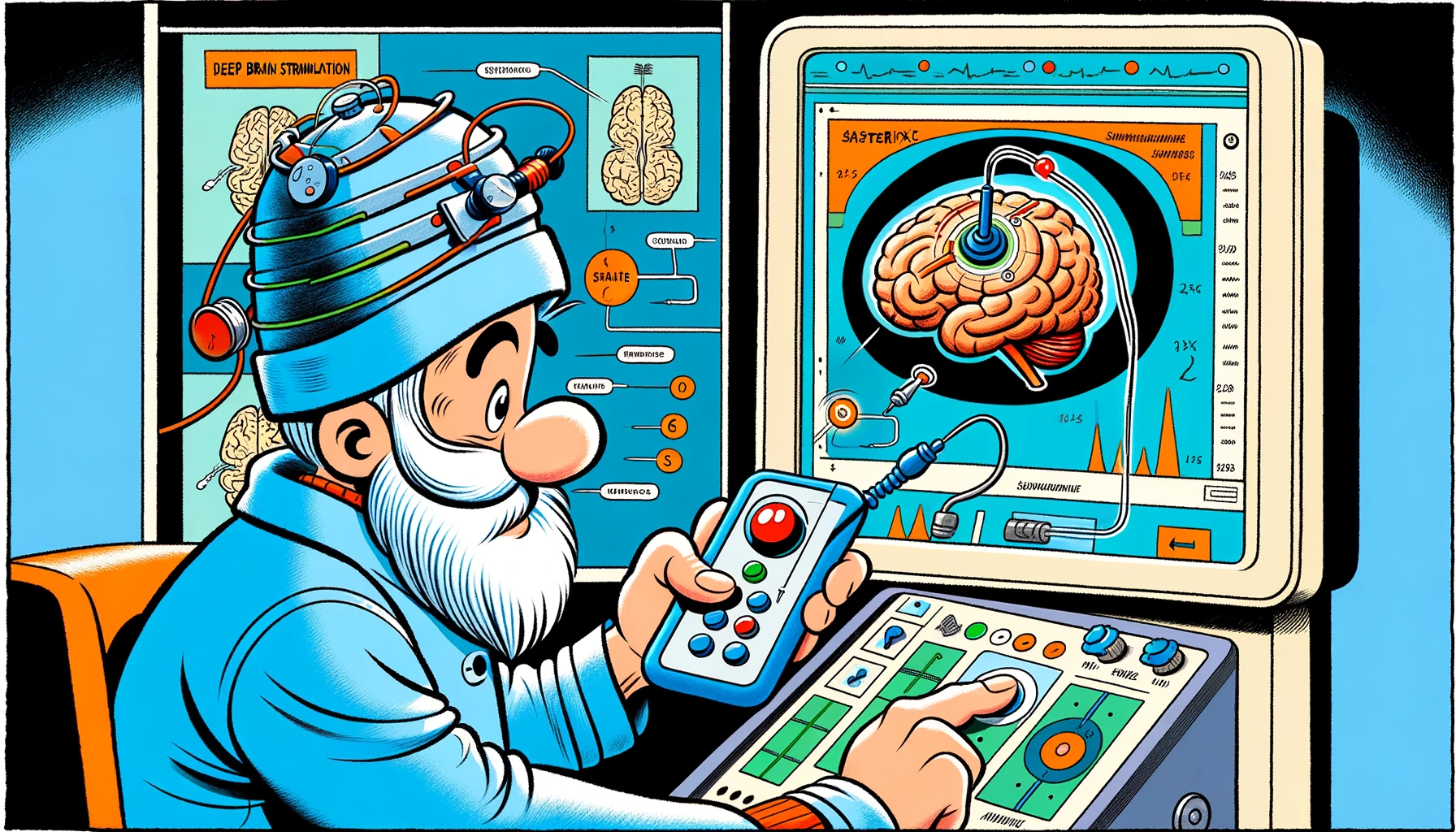
Explore the cutting-edge developments in DTI studies that are revolutionizing the diagnosis and treatment of obsessive-compulsive disorder, offering new hope for those affected.
– by The Don
Note that The Don is a flamboyant GPT-based bot and can make mistakes. Consider checking important information (e.g. using the DOI) before completely relying on it.
Advances in DTI studies for diagnoses and treatment of obsessive-compulsive disorder.
Masjoodi et al., Psychiatry Res Neuroimaging 2024
<!– DOI: 10.1016/j.pscychresns.2024.111794 //–>
https://doi.org/10.1016/j.pscychresns.2024.111794
Let me tell you, folks, we’ve got some incredible research happening in the world of neuroimaging, especially when it comes to understanding obsessive-compulsive disorder, or OCD. We’re talking about using something called diffusion tensor imaging (DTI) – it’s a game-changer, really. It lets us peek into the brain and see what’s going on with the white matter. And let me tell you, the findings? Astonishing.
We’ve seen, time and time again, that people with OCD have these significant changes in their brain’s white matter. We’re talking about key areas here – the corpus callosum, anterior and posterior cingulate cortex, prefrontal cortex. These are the big players in how we regulate emotions, make decisions, and control our cognitive functions. But, and it’s a big but, we’ve got to acknowledge the elephant in the room: the studies we have? They’re often small. Too small. And the results? They can vary.
Now, I’m not saying the research isn’t great. It’s fantastic. But we need more. We need bigger studies, more standardized methods. And let’s not even get started on figuring out what’s causing what – is OCD messing with the white matter, or is it the other way around? That’s the million-dollar question.
But here’s the deal: we can tackle this. How? With longitudinal studies. We need to look at how things change over time, especially when we throw treatments into the mix. This is how we’re going to get those DTI techniques to the next level, making sure our data is as accurate and comparable as can be.
In conclusion, DTI studies? They’re giving us a fantastic window into the disruptions happening in the brains of people with OCD. But the future? It’s looking even brighter. With more standardized approaches and bigger studies, we’re on the verge of unlocking whether these structural changes can be the key to early identification and treatment of OCD. And let me tell you, that’s going to be huge.