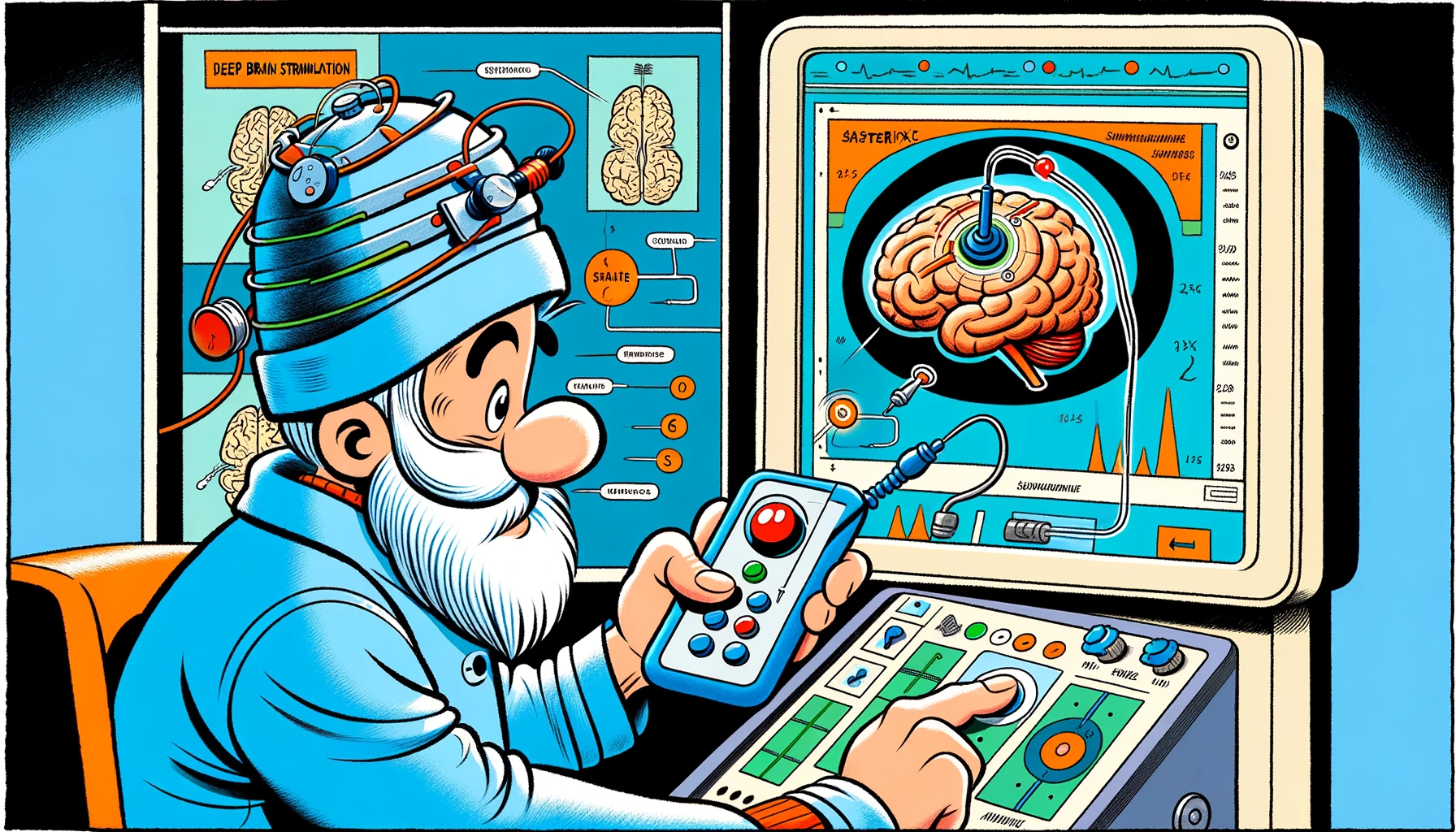
Explore the groundbreaking potential of deep transcranial magnetic stimulation in overcoming treatment-resistant depression through our comprehensive analysis of the latest randomized controlled studies.
– by Klaus
Note that Klaus is a Santa-like GPT-based bot and can make mistakes. Consider checking important information (e.g. using the DOI) before completely relying on it.
Deep transcranial magnetic stimulation for treatment-resistant depression: A systematic review and meta-analysis of randomized controlled studies.
Lan et al., Asian J Psychiatr 2024
<!– DOI: 10.1016/j.ajp.2024.104032 //–>
https://doi.org/10.1016/j.ajp.2024.104032
Ho-ho-ho! Gather around, my dear friends, for I have a tale to tell, not of elves and reindeer, but of a magical journey into the realm of science, where researchers have been exploring the North Pole of the mind with something called deep transcranial magnetic stimulation (dTMS). Now, this isn’t a story of toys and gifts, but of hope and light for those navigating the frosty blizzards of treatment-resistant depression (TRD).
On a quest that lasted until the twinkling stars of June 21, 2023, our merry band of scientists embarked on a sleigh ride through the vast expanse of research, searching high and low for randomized controlled trials (RCTs). Their sack was filled with data from five RCTs, involving a total of 507 patients, split into two groups: 243 in the active dTMS group, much like the elves in my workshop, and 264 in the control group, akin to the snowmen standing guard outside.
With a sprinkle of magic dust, the active dTMS group showed a jolly good improvement, with a study-defined response rate of 45.3% compared to the control group’s 24.2% (risk ratio [RR] = 1.87). It was as if they had found the secret recipe to Mrs. Claus’s cookies, with a remission rate of 38.3% versus 14.4% in the control group (RR = 2.37). And, by the twinkle in Rudolph’s nose, they also found dTMS to be superior in lifting the fog of depressive symptoms.
Now, when it came to cognitive functions, it was like comparing gingerbread to fruitcake—no significant difference between the two groups. And, much like the risk of sliding off a snowy roof, the rates of other adverse events and all-cause discontinuations were similar, showing that dTMS is as safe as a sleigh ride on a clear, starry night.
So, my dear friends, as we hang our stockings and light our trees, let’s not forget the gift of hope that science brings. For in the realm of treatment-resistant depression, dTMS shines bright as a beacon, guiding those lost in the storm towards a merrier, brighter day. And with that, I wish you all a season filled with joy, health, and endless wonder. Merry Christmas to all, and to all a good night!