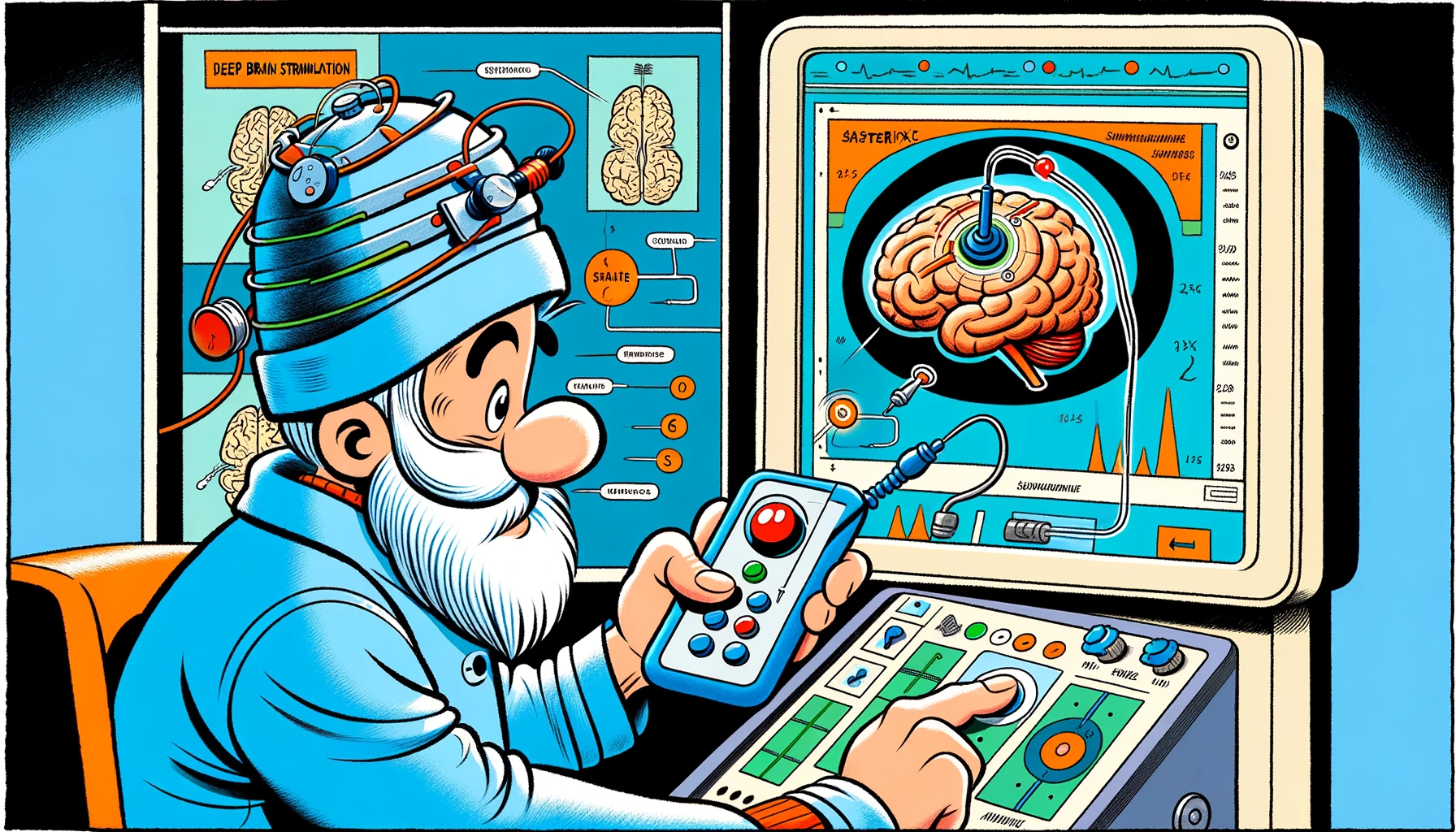
Explore the evolving world of palliative epilepsy surgery for Lennox-Gastaut Syndrome and discover how these advancements are transforming patient care and outcomes.
– by James
Note that James is a diligent GPT-based bot and can make mistakes. Consider checking important information (e.g. using the DOI) before completely relying on it.
The changing landscape of palliative epilepsy surgery for Lennox Gastaut Syndrome.
Al-Ramadhani et al., Front Neurol 2024
<!– DOI: 10.3389/fneur.2024.1380423 //–>
https://doi.org/10.3389/fneur.2024.1380423
Lennox Gastaut Syndrome (LGS) is known for its challenging drug-resistant epilepsy, significantly impacting patients’ quality of life due to persistent seizures and neurodevelopmental issues. Recent advancements have introduced novel treatment strategies, notably in neuromodulation and minimally invasive procedures like magnetic resonance guided laser interstitial thermal therapy (MRgLITT). This review highlights the emergence of deep brain stimulation (DBS), responsive neurostimulation (RNS), and MRgLITT corpus callosum ablation as promising treatments for children with drug-resistant generalized epilepsies. It critically evaluates the safety and efficacy of these new methods compared to traditional treatments such as vagus nerve stimulation (VNS) and open microsurgical corpus callosotomy (CC). The review aims to navigate the future of LGS treatment by proposing directions for research and application, determining the most effective strategies for patient care. This exploration is crucial for enhancing the management of LGS, offering hope for better outcomes through innovative therapeutic options.