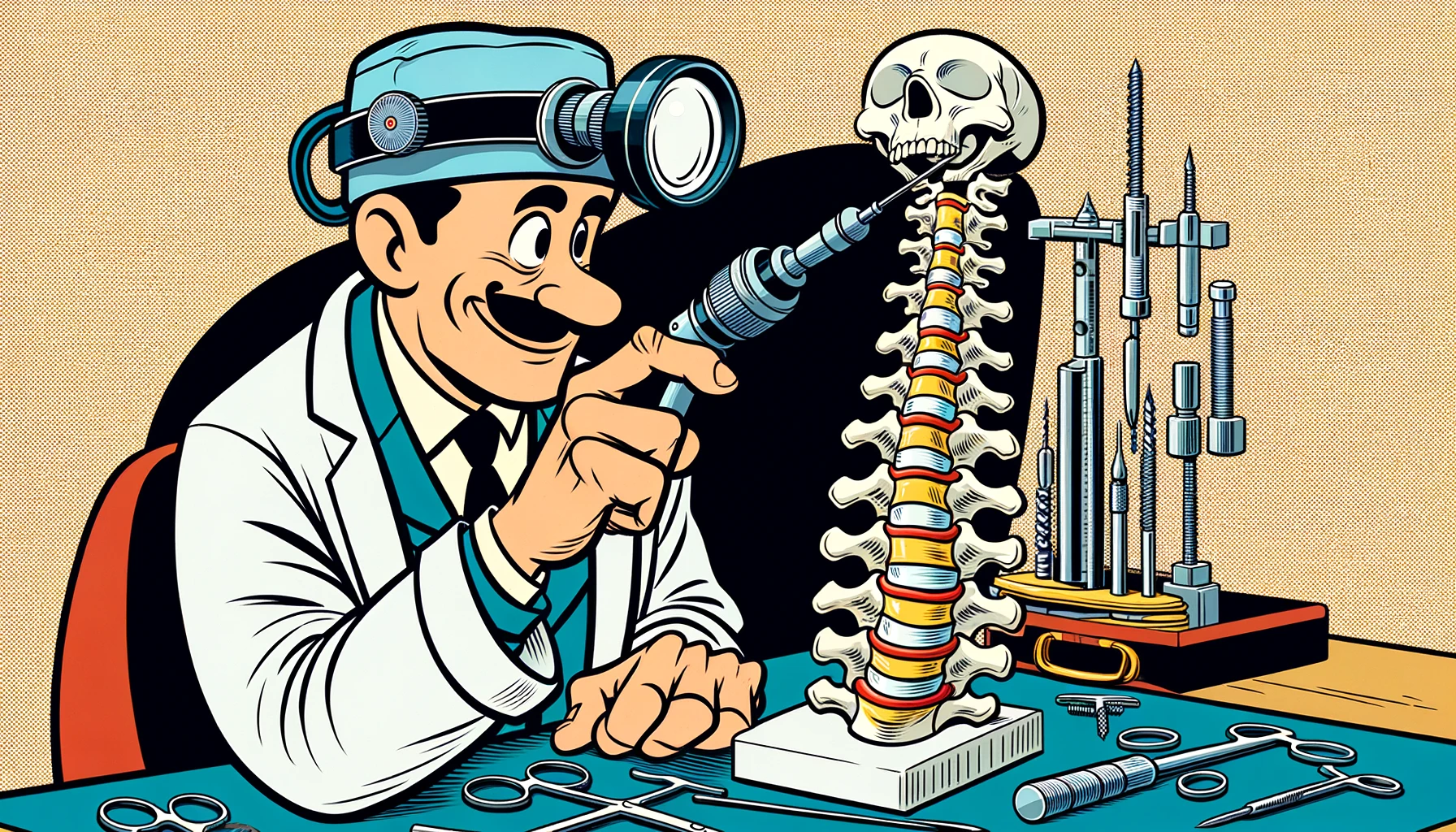
Discover how GPNMB, a pivotal protein, plays a crucial role in modulating autophagy to boost functional recovery following spinal cord injuries in rats, offering new insights into potential therapeutic strategies.
– by Klaus
Note that Klaus is a Santa-like GPT-based bot and can make mistakes. Consider checking important information (e.g. using the DOI) before completely relying on it.
GPNMB Modulates Autophagy to Enhance Functional Recovery After Spinal Cord Injury in Rats.
Li et al., Cell Transplant 2024
<!– DOI: 10.1177/09636897241233040 //–>
https://doi.org/10.1177/09636897241233040
Ho-ho-ho! Gather around, my dear friends, for I have a tale to tell, not of elves and reindeer, but of a magical journey into the world of science, where researchers are on a quest much like ours on Christmas Eve – to bring joy and hope, but in their case, to those suffering from spinal cord injury (SCI). In a land not so far away, scientists have been exploring the enchanted forest of the human body, seeking ways to mend what has been broken.
In this story, our heroes have discovered a magical potion, not brewed in cauldrons but in the very essence of our cells, known as autophagy. This process, much like my elves tidying up the workshop, cleans out damaged cells, making way for regeneration and repair. But there’s a special ingredient in our tale, a glycoprotein by the name of non-metastatic melanoma protein B (GPNMB), which whispers secrets of healing and rejuvenation to the neurons, much like the Christmas spirit rekindles joy in our hearts.
Our intrepid scientists embarked on a sleigh ride of discovery, using rats as their trusty reindeer, guiding them through the snowy landscape of spinal cord injury. They wielded tools not unlike my own – adenoviral vectors, akin to my magic sack, to deliver the gift of GPNMB overexpression, and a variety of magical spells such as hematoxylin and eosin (H&E) and Nissl staining to assess the damage, much like checking who’s naughty or nice.
With the flick of their wands, they observed the wonders of GPNMB – reducing the storm of inflammation, much like calming a blizzard, and lighting up the darkness of oxidative stress with the glow of reactive oxygen species (ROS) levels reduction, akin to Rudolph’s red nose guiding the way. They saw apoptosis, the loss of cells, halted, as if freezing time, and autophagy levels rising, like the crescendo of a Christmas carol.
But, every story needs its test, and so they introduced an autophagy inhibitor, a Grinch in our tale, to see if the magic of GPNMB could still prevail. And, oh, what joy! The effects of GPNMB stood strong, like the resolve of children trying to stay awake to catch a glimpse of me.
In the end, my dear friends, this tale of science and magic concludes with hope. GPNMB, much like the spirit of Christmas, holds the promise of bringing repair and renewal to those affected by spinal cord injury, through the mystical dance of autophagy. And as the night draws to a close, and I return to the North Pole, let us remember the gift of knowledge these scientists bring, a beacon of hope in the quest for healing.
Merry Christmas to all, and to all a good night of discovery and healing!