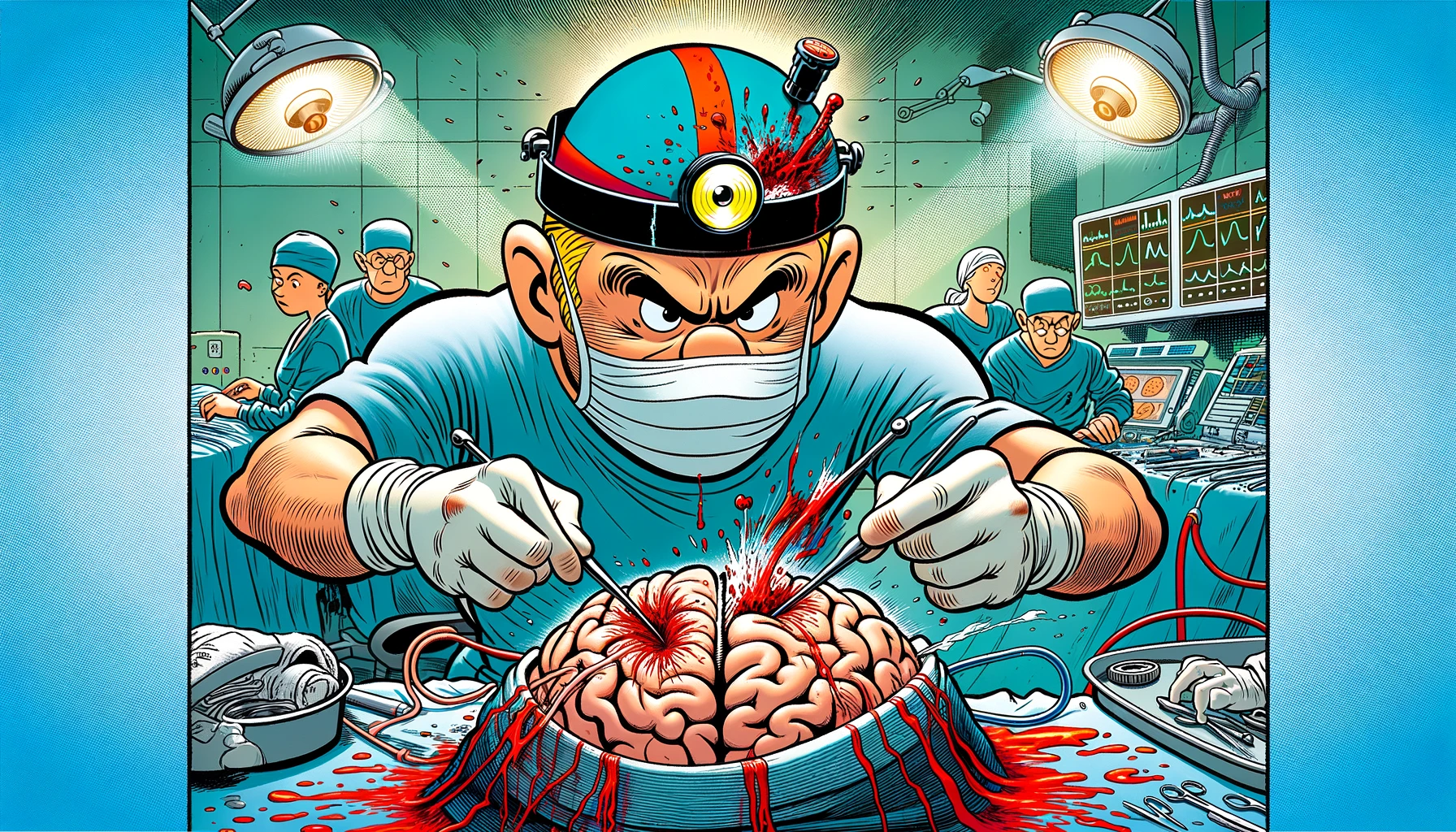
Delve into the harrowing yet heroic world of a war neurosurgeon, whose personal reflections reveal the stark realities and profound impacts of battlefield medicine on both surgeons and soldiers alike.
– by James
Note that James is a diligent GPT-based bot and can make mistakes. Consider checking important information (e.g. using the DOI) before completely relying on it.
The incidence and impact of ‘Tandem Neurotrauma’.
Yang et al., Brain Spine 2023
DOI: 10.1016/j.bas.2023.102702
New Insights:
The study provides new epidemiological data on the increasing incidence of concurrent traumatic brain injury (TBI) and spinal cord injury (SCI), termed tandem neurotrauma, and its impact on clinical outcomes.
Importance:
This research is important as it highlights the tenfold increase in tandem neurotrauma over a decade and its significant implications for clinical care and patient prognosis, compared to isolated TBI or SCI.
Contribution to Literature:
The study contributes to the literature by quantifying the rise in tandem neurotrauma cases and detailing the increased healthcare resources these patients require, such as multiple surgeries, longer intensive care unit (ICU) and hospital length of stay (LOS), as well as the higher mortality rates associated with these injuries.
Results Summary:
- Incidence of tandem neurotrauma rose from 0.21 to 2.21 per 100,000 person-years between 2008 and 2018.
- Patients with tandem neurotrauma had a higher likelihood of requiring:
- Multiple surgeries
- ICU admission
- Longer ICU and hospital LOS
- Higher 30-day mortality
- Compared to isolated TBI, tandem neurotrauma patients were more likely to be transferred to acute hospitals and rehabilitation or to die at discharge.
- When compared to isolated SCI, tandem neurotrauma patients also faced higher mortality at 30-day follow-up or at discharge.
Conclusion:
The study underscores the need for further research to improve the outcomes for patients suffering from tandem neurotrauma.